Resource Spotlight & Helpful Articles
Our Resource Spotlight features tools, articles, and ideas that can help you approach workplace challenges with more clarity and confidence. Find the latest Resource Spotlight below, as well as many other resources that have previously been highlighted on our website.
8 Signs You’re the Problem in Your Arguments (September 24, 2026)

Workplace conflict can be uncomfortable, particularly when emotions are high or when we feel strongly that our perspective is justified. In difficult conversations, it is natural to focus on what the other person said or did, but meaningful resolution to conflict often begins with pausing to consider our own role in the conflict. Self-reflection does not mean taking responsibility for someone else’s behavior; but rather it can help us identify patterns in our own communication style that may be making this situation and future situations harder to resolve.
In this article, the author explores eight different communication patterns that commonly escalate arguments. This resource offers some practical reminders for how to best go about approaching difficult conversations. For staff navigating workplace problems, this resource offers useful insights on communication, listening, and strategies for approaching conflict resolution.
Use this link to access the article: https://time.com/article/2026/04/23/signs-youre-the-problem-in-arguments-how-to-fix/
The Ladder of Inference (September 7, 2026)
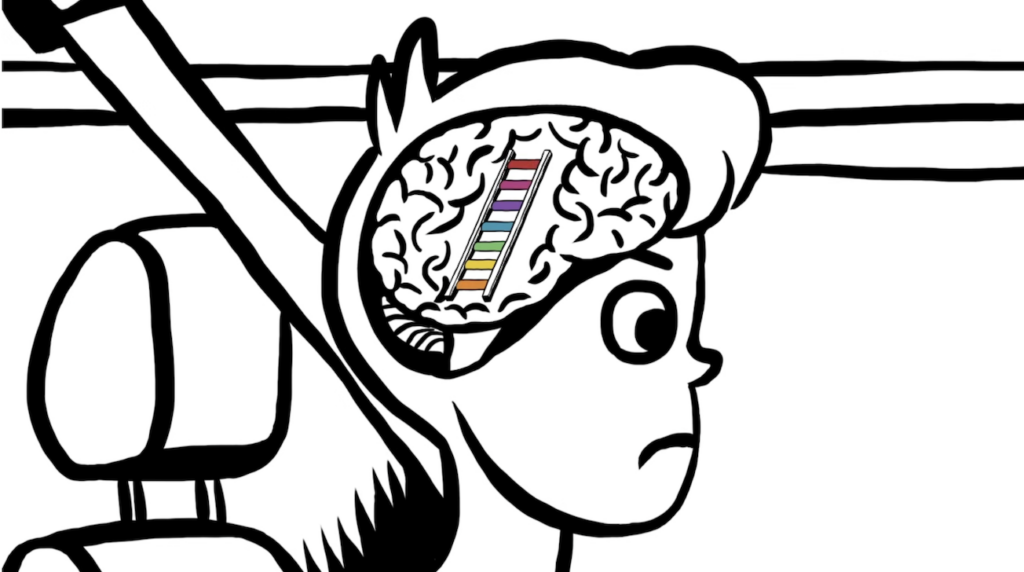
When we’re under stress or navigating conflict, our minds naturally try to make sense of what’s happening. We notice certain details, fill in the gaps with our own experiences and assumptions, and often arrive at conclusions before we’ve had a chance to test whether they’re accurate. This process happens so quickly in our brains that we may not even realize we’re doing it.
The Ladder of Inference is a practical tool, originally developed by Chris Argyris and Donald Schoen, that helps us recognize how we move from observations to assumptions, beliefs, and actions. By becoming more aware of this process, we can learn to pause, get curious about our own thinking, and explore whether there may be other explanations for what we’re experiencing in a given situation. Conflict is often shaped not just by what happened, but by the meaning we assign to what happened. Learning to recognize when we’ve climbed the ladder can open the door to better questions, stronger relationships, and more productive conversations. Whether you’re preparing for a difficult conversation, trying to understand a colleague’s perspective, or reflecting on a recent interaction, this resource can help you step back before stepping in.
Use this link to access a video with more on the Ladder of Inference: https://www.ted.com/talks/trevor_maber_rethinking_thinking?utm_campaign=tedspread&utm_medium=referral&utm_source=tedcomshare
Helpful Articles
- Five Conflict-Resolution Strategies for the Workplace
- Preventing and Managing Team Conflict
- Conflict Resolution Skills in the Workplace
Georgetown Offices and Organizations
- Human Resources
- Office of Faculty & Staff Benefits
- Faculty & Staff Assistance Program
- The Office for Equal Opportunity Compliance
- Compliance and Ethics Office
- Staff & AAP Advisory Council
- Email: staffaapcouncil@georgetown.edu
- Staff/AAP Community Forums
Georgetown Policies
- Georgetown University’s Code of Ethical Conduct (Faculty, Staff & AAPs)
- Professional Conduct Policy for Staff and AAPs (Staff & AAPs)
- The Professional Conduct Provisions in the Faculty Handbook (See Faculty Handbook III(C)(11)) (Faculty)
- GUMC’s Standards for Professional Behavior (Faculty, Staff & AAPs)
- Dispute Resolution Policy (Staff & AAPs)
- Disciplinary Policy (Staff & AAPs)